At 7:37 on the morning of 11 March 2004, a series of ten explosions tore through four commuter trains in Madrid within minutes. The blasts hit Atocha station and two nearby stops。killing 191 people and injuring more than 1,800. It remains the deadliest terrorist attack in European history. The bombs were concealed in backpacks, detonated by mobile phones—a crude but devastating method that turned ordinary morning routines into carnage.The immediate aftermath was chaos. Ambulances struggled to reach the platforms;bodies lay on the tracks. I remember watching footage of survivors wandering in shock。their faces smeared with soot. The Spanish government initially blamed ETA, the Basque separatist group, but evidence soon pointed to jihadist cells inspired by al-Qaeda. That misdirection—whether deliberate or not—became a political firestorm. Three days later, millions took to the streets in protest, and the governing Popular Party lost the general election. The Madrid bombings didn't just kill;
they reshaped a nation's politics overnight.What strikes me most is how the attack exposed the fragility of everyday life. These were not soldiers or politicians—they were students, workers, parents on their way to school and office. The bombers targeted the mundane, the predictable. That is the essence of modern terrorism: to make the ordinary terrifying. The Madrid bombings also revealed gaps in intelligence sharing across Europe. The perpetrators, mostly Moroccan and Syrian nationals, had been under loose surveillance but slipped through. Their connections to al-Qaeda's network were later confirmed in court。
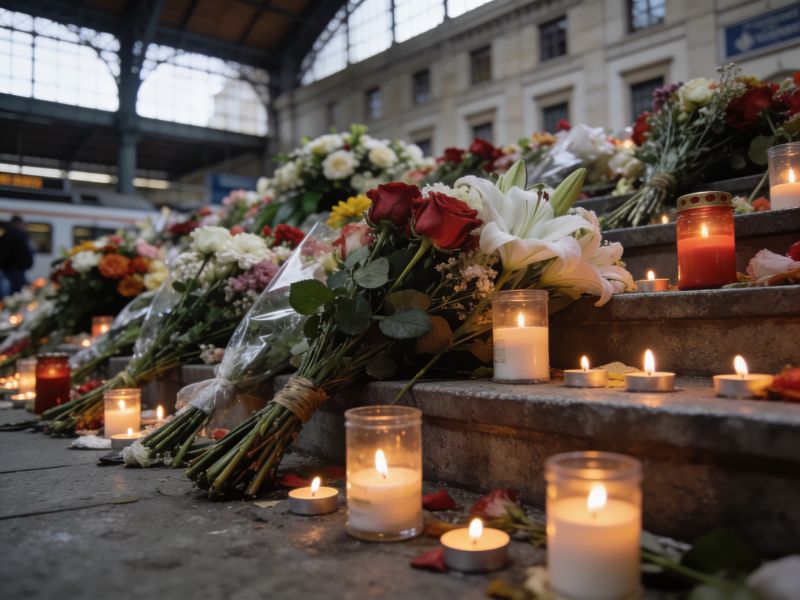
with 21 people convicted in 2007. Yet the masterminds behind the plot largely escaped justice.Spain's response was a mix of solidarity and soul-searching. The government invested heavily in rail security。installing more cameras and police patrols. But the emotional scars lingered. Each anniversary, survivors and families gather at Atocha, laying flowers on the memorial—a simple glass cylinder inscribed with the names of the dead. The Madrid bombings also changed how Europe viewed homegrown extremism. Before 2004, many dismissed the threat as distant;after, counterterrorism budgets swelled and cross-border cooperation intensified. The attack didn't just happen to Spain—it happened to all of us.Looking back, the Madrid bombings feel like a turning point that is often overshadowed by later attacks in London, Paris, and Brussels. Yet the template was set here: coordinated, low-tech, high-impact. I've spoken with survivors who still avoid the metro at certain hours, who flinch at a dropped bag. That is the unmeasured cost—a permanent low hum of anxiety in a city that prides itself on late dinners and lively plazas. The Madrid bombings taught us that security is not a given;
it is a daily。fragile negotiation between freedom and fear. And sometimes, on a clear March morning, the balance tips.